Beyond the ordinary

This is where our journey begins. Get to know our business and what we do, and how we're committed to quality and great service. Join us as we grow and succeed together. We're glad you're here to be a part of our story.

Services

We offer a range of specialised services tailored to meet your individual needs. Our approach is focused on understanding and responding to what you require, providing effective and practical cleaning solutions.

Accumulation Removal

Accumulation removal is the specialised process of clearing out massive volumes of hoarded materials, dense clutter, and compacted household refuse that have built up over time to create an unsafe environment.

It is distinctly different from a standard house clearance. It requires specialist equipment, risk assessments, and a structured, top-to-bottom strategy to handle the sheer tonnage of materials safely.

Hoarding Resolution

Hoarding resolution is a specialised, multi-stage service that combines compassionate clearance with environmental decontamination to safely restore properties affected by hoarding disorder.

Unlike a standard property clearance or rubbish removal service, hoarding resolution is trauma-informed. It acknowledges that severe clutter is a symptom of a recognized mental health condition and focuses on balancing the welfare of a vulnerable adult with the legal requirement to restore public health, environment, and hygiene.

Void Clearances & Sanitation

Void clearance and sanitation is the specialised process of clearing, cleaning, and completely disinfecting an empty commercial or social housing property after a tenant has moved out, been evicted, or passed away.

These properties usually cannot be re-let to new tenants or put on the market until they are legally declared safe, clean, and free from environmental hazards.

Clearances of this nature usally require a prompt turnaround.

Gross Filth & Deep Remediation

Gross filth and deep remediation is the specialised process of clearing, cleaning, and completely decontaminating properties that have become a severe health and safety hazard due to extreme neglect, biohazards, or heavy environmental degradation.

This service goes far beyond standard domestic cleaning. It focuses on properties where conditions have deteriorated so heavily that the environment poses a direct biological risk to human life, requiring specialised tools, strict safety protocols (RAMS), and medical-grade disinfectants.

This can include:

  • Rotting Organic Matter: Clearing out heavily decomposed food, maggot infestations, and spoiled kitchen waste that has been left to rot for months or years.
  • Animal & Human Waste: Safely managing and removing properties heavily fouled by animal hoarding (urine/feaces), heavy pet hair accumulations, or human bodily fluids.
  • Compacted putresible waste: Bagging and hauling dense layers of wet, soiled, or contaminated household waste' and furnishings.


Environmental Decontamination & Biohazard Clearance

Environmental Decontamination & Biohazard Clearance is the scientific process of isolating, neutralizing, and removing biological contaminants and hazardous waste from a property.

This service deals directly with environments exposed to infectious diseases, bodily fluids, blood, hypodermic needles, and hazardous biological breakdown. Standard cleaning methods fail here; this work requires strict adherence to UK Health and Safety laws (including COSHH), specialised personal protective equipment (PPE), and medical-grade virucidal chemicals to completely eliminate microscopic risks.

Consultancy & Advice

Consultancy and advice is a premium, professional service where advanced scientific knowledge, a local authority background, and legislative expertise is used to guide clients through complex public health and environmental crises.

Strategic advisor catering for expert assessment, risk analysis, and formal reports to help clients stay legally compliant, pass audits, or manage high-risk property situations safely.

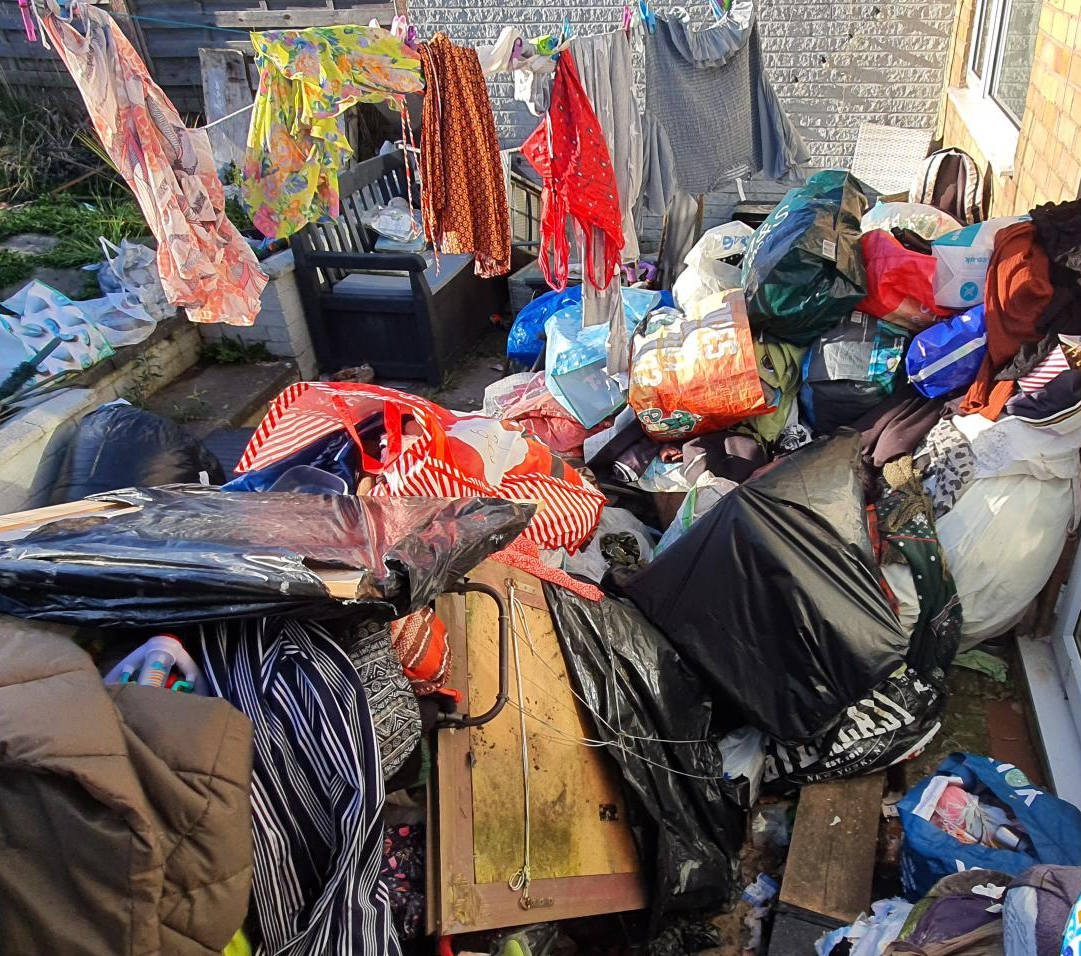
Rear Yard & Garden Waste Accumulations

Rear Yard & Garden Waste Accumulations is the specialised process of clearing, decontaminating, and restoring outdoor spaces that have become severe environmental or public health hazards. This usally occurs when putrescible waste is removed from the house into an outdoor space. Over time this can build up and act as a sustainable food source for rodents and become an annoynace to neighbours being partial to bad lingering odours.

This service does not involve standard landscaping, mowing, or cosmetic gardening. Instead, it focuses on outdoor areas that have been heavily degraded by bulk waste accumulations, fly-tipping, severe animal fouling, or hidden biohazards.


Removal of Fly Tipped Waste

Removal of Fly Tipped Waste is the specialised, legally regulated process of clearing up bulk refuse, household items, or commercial materials that have been illegally dumped on public or private land. This can inlcude hazardous waste such as chemicals and asbestos.

Under the Environmental Protection Act 1990, fly-tipping is a major environmental crime. Because fly-tipped piles often attract pests, block pathways, and look unsightly, private landowners, farmers, and local councils require swift, professional clearance to restore safety and hygiene to the area.

1. Types of Standard Fly-Tipped Waste

Unlike hazardous fly-tipping (which involves toxic chemicals or asbestos), standard fly-tipping consists of bulk municipal and commercial waste, including:

  • Household Items: Abandoned mattresses, sofas, broken furniture, and old carpets dumped in alleyways or backyards.
  • White Goods & Electronics: Fridges, washing machines, and televisions left on rural lanes.
  • Construction & Green Waste: Builder's rubble, timber, tiles, and large piles of garden waste illegally dumped to avoid commercial tipping fees.

2. Hazardous Waste requires special protocols in place before removal but asbestos removal and decontamination tends to be our main area of work.

Did You Know? We have a upper tier waste carriers license, we rarely use skips which adds significant costs to a project.